

Welcome to our blog
Insights on Rheumatology and Wellness
Learn practical information about autoimmune conditions, joint health, and living well with rheumatic disease.
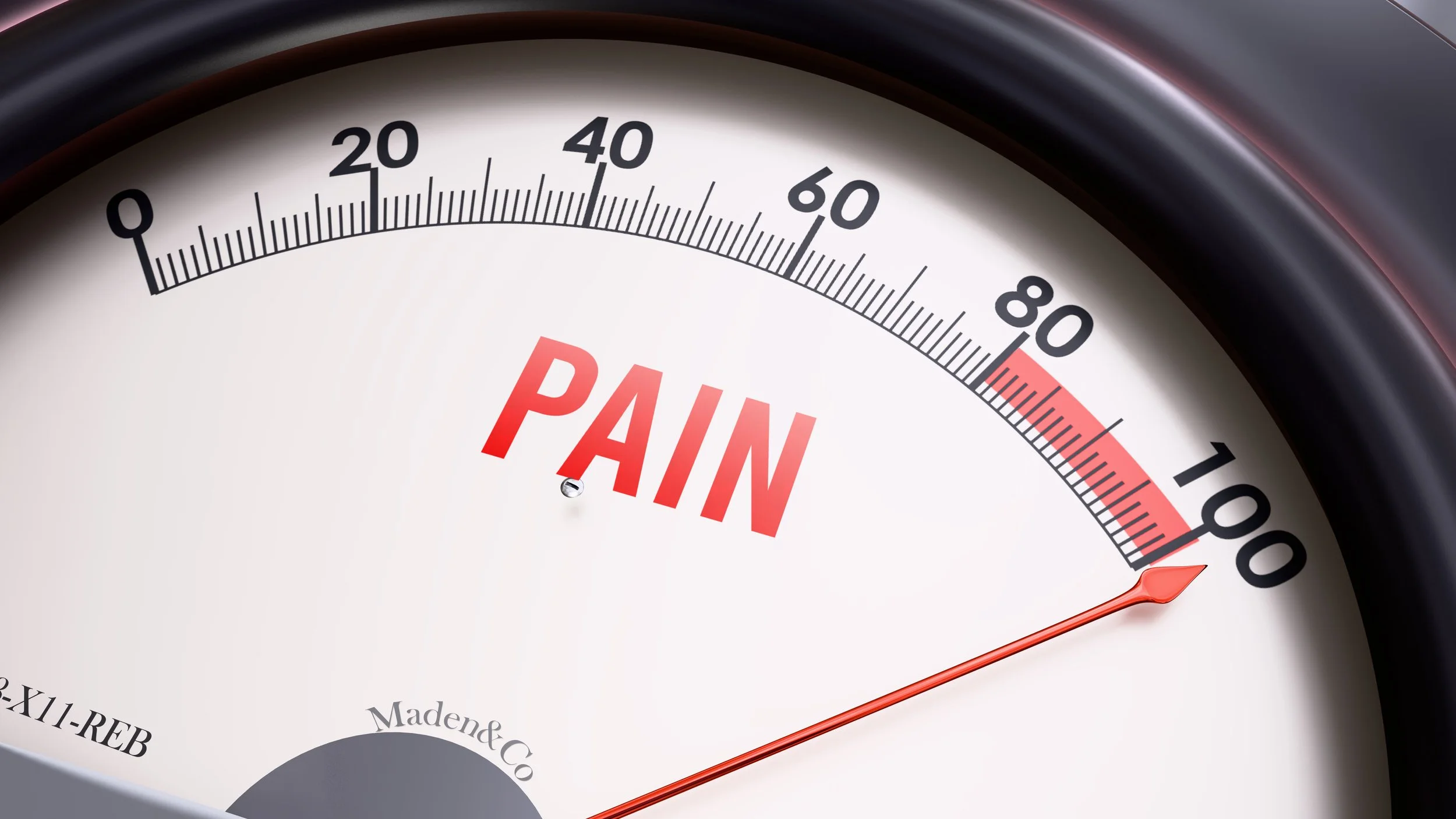
Pain Beyond Inflammation: Fibromyalgia and Central Sensitization
Some pain continues after inflammation is controlled, and some pain was never inflammatory to begin with. Both are real, and both can be treated. Here's how I think about it in clinic.

Vaccines When You’re on Medication That Lowers Your Immune System
When I start someone on a medication that suppresses the immune system, one of the first questions I get is what they can do to protect themselves. Vaccines are a big part of that answer. Here’s how they work, which ones to ask about, and the few places where your medication changes the timing.
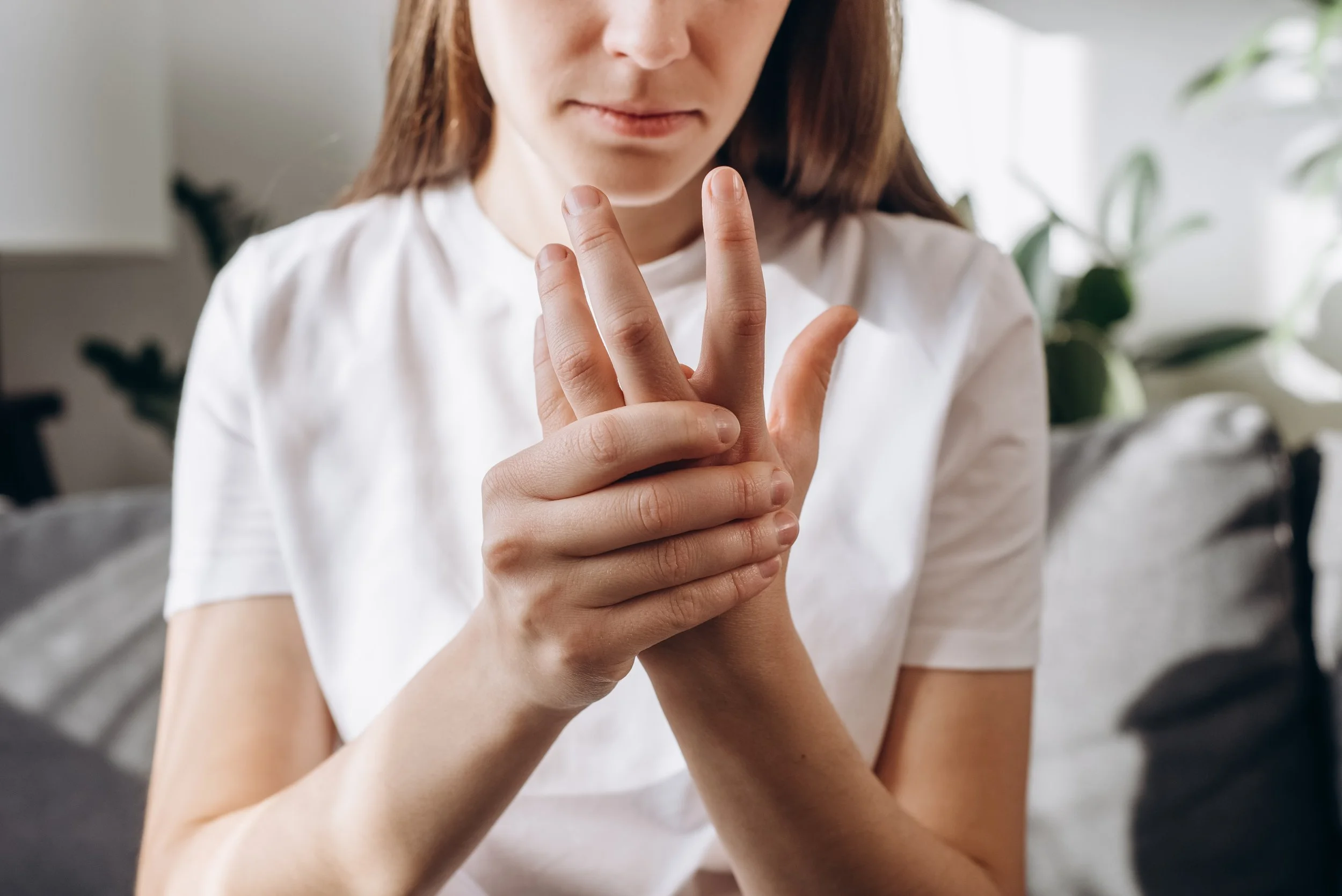
Understanding Rheumatoid Arthritis
I realized I've never written a post specifically on rheumatoid arthritis, even though it's the condition I treat most. Here's what it is, how it shows up, how it gets diagnosed, and how I approach treatment.
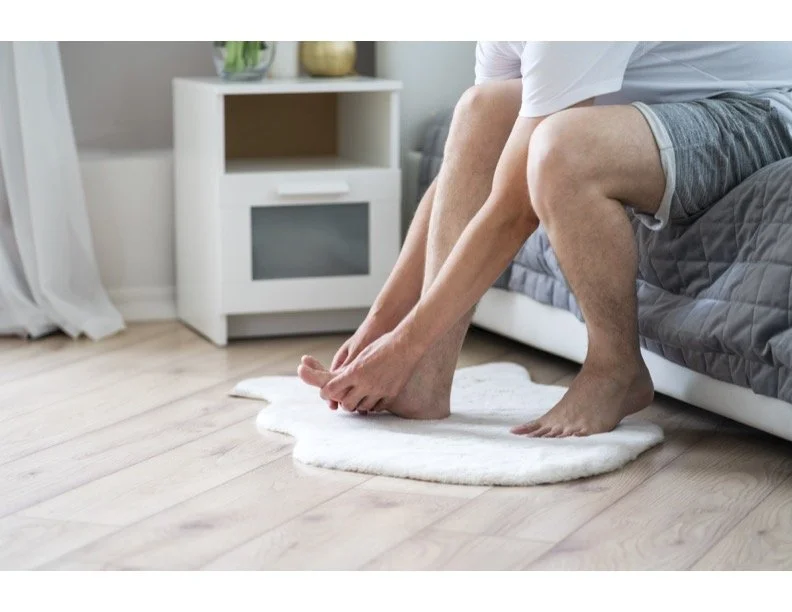
Understanding and Treating Gout
Gout is one of the most treatable conditions in rheumatology. It's also one of the most misunderstood. There's a lot of conflicting advice out there about what to do and what not to do. Here's what's going on, and what good management looks like.

Why Social Connection Belongs in Your Treatment Plan
Pillar six of six in the lifestyle medicine series. Social connection has some of the strongest evidence of any pillar in this series, and it's the one most often left out of a medical visit entirely. Here's why it matters, how it ties into autoimmune disease specifically, and what helps.

What Tobacco and Alcohol Do to Autoimmune Disease
Pillar five of six in the lifestyle medicine series. This pillar is usually framed as avoiding risky substances broadly. I'm keeping it focused on the two most commonly used: tobacco and alcohol.

GLP-1 Drugs and Autoimmune Disease: What They Are, How They Work, and Where the Research Stands
I can't remember the last week that's gone by without a patient asking me about Ozempic or Wegovy. Used to be strictly about weight. Now it's just as often about their joints. Could this help my RA too? My lupus? My psoriatic arthritis?
Let's start from the beginning.

You Can't Eliminate Stress, But You Can Change What It Does to You
Pillar four of six in the lifestyle medicine series. Stress isn't something you can just remove from your life. But how you respond to it changes its effect on you. Here's what stress does to your body, how it ties into autoimmune disease and pain specifically, and what helps when you're in the middle of it.

What You Eat and Autoimmune Disease
Pillar three of six in the lifestyle medicine series. Food affects inflammation, chronic disease risk, and how your body functions day to day. Here's how it works, what the research shows for rheumatoid arthritis specifically, and how to change what you eat without flipping a switch overnight.

Movement is Medicine
Pillar two of six in the lifestyle medicine series. Movement is one of the most effective tools we have for long-term health, and that includes autoimmune disease. Here's what it does, and how to build it into your life.

Low Dose Naltrexone: What the Evidence Shows, and Where It Fits
A cheap, low risk medication my patients ask about a lot. Here's what I've seen in clinic, and what the research supports.

Bad Sleep Doesn’t Just Wear You Out. It Feeds Your Disease.
Pillar one of six in the lifestyle medicine series. Sleep isn't just something autoimmune disease disrupts, it can make the disease worse. Here's why I start the series here, and what can help.
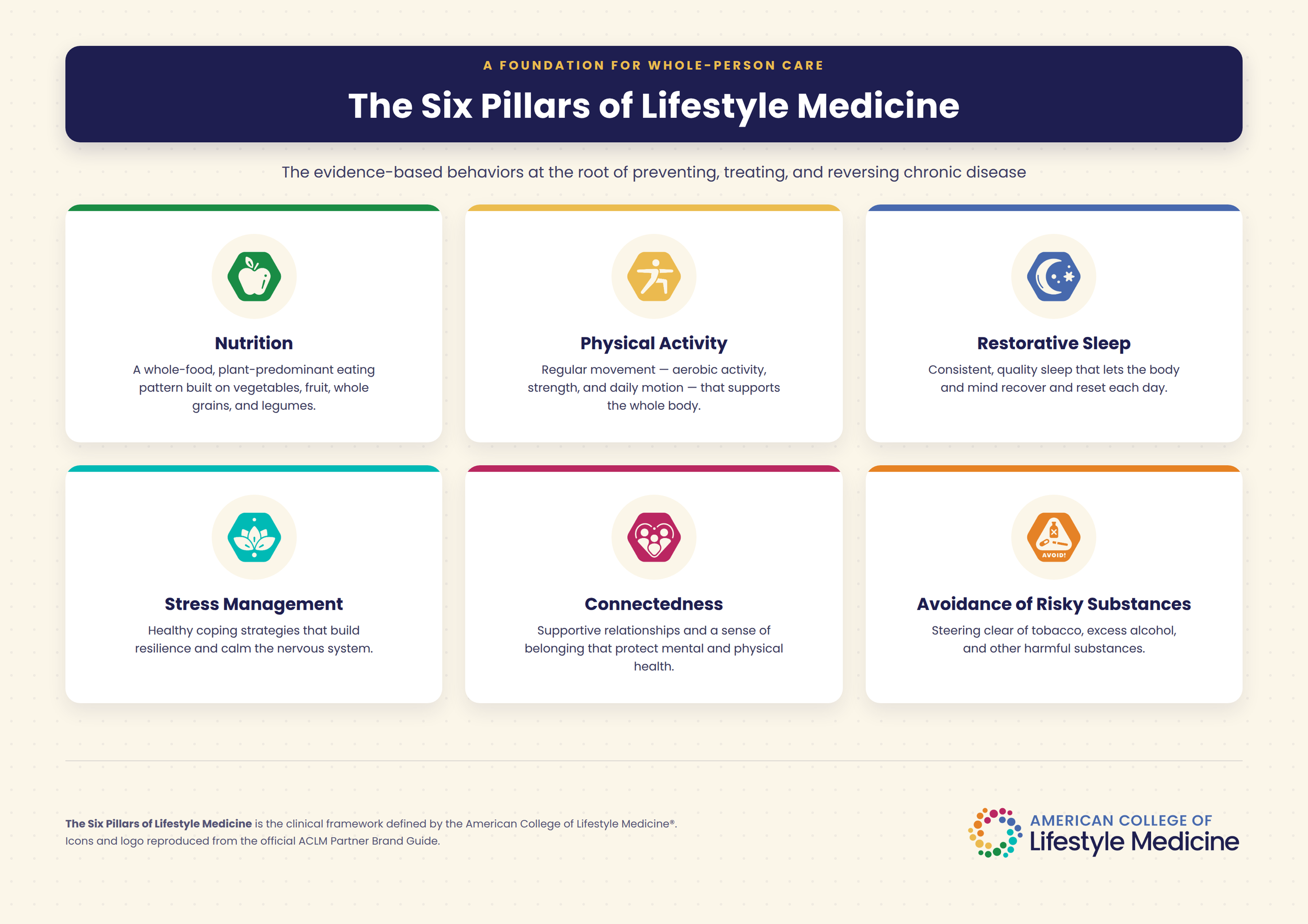
Lifestyle Medicine Isn't Fluff (And It's Not Instead of Your Medication Either)
This is the first post in a new series on lifestyle medicine, the six daily habits that shape how you feel and how your autoimmune disease behaves. Here's what it actually is, and where it fits alongside your treatment.
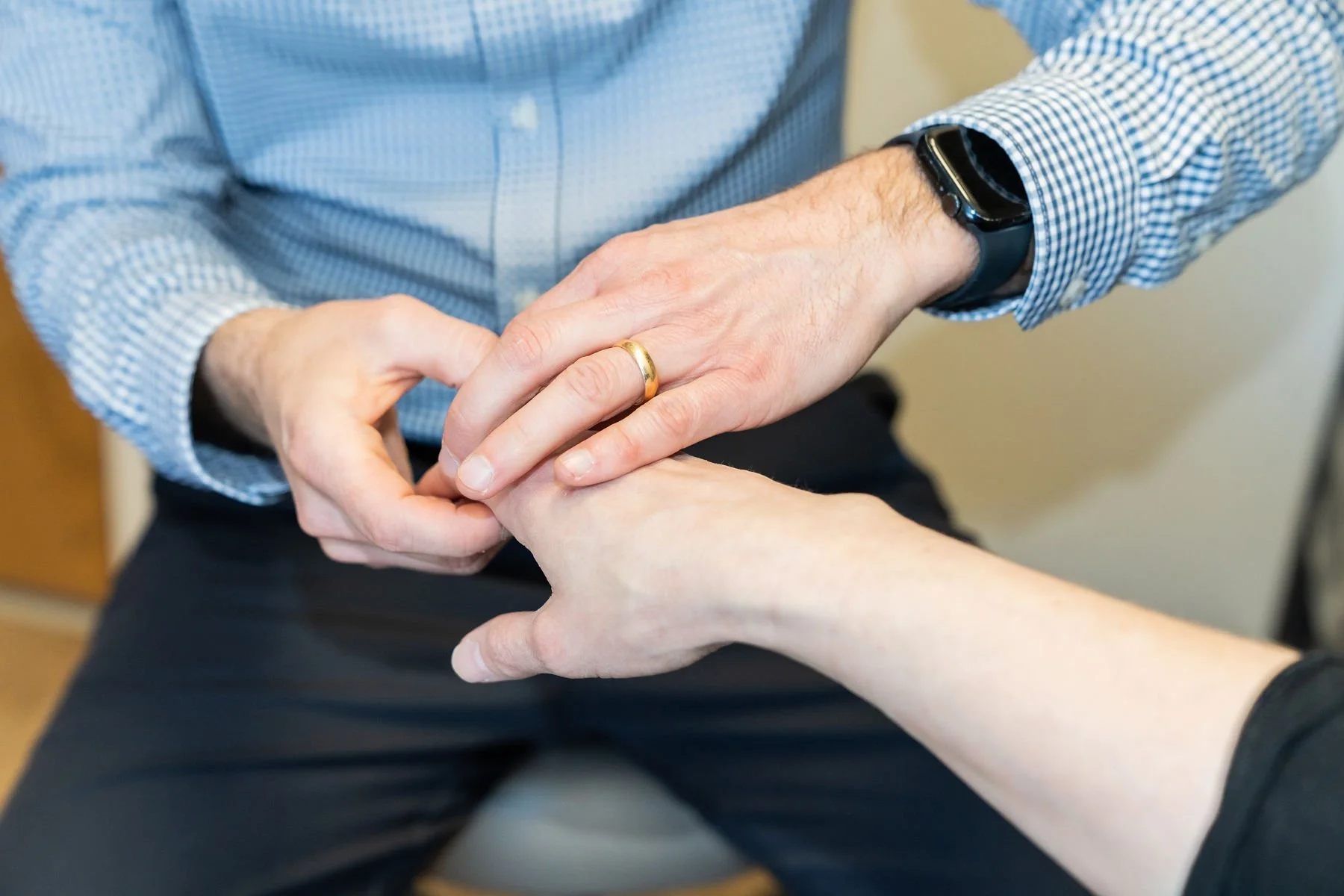
The SetPoint System for Rheumatoid Arthritis: A Rheumatologist’s Review
An independent review of the FDA-approved SetPoint System for rheumatoid arthritis. Find out how this vagus nerve implant works, the risks, and who qualifies.

What is Direct Rheumatology Care?
I work for you, not the insurance company.
That one sentence explains most of how this practice runs. There's no third party deciding how long we get to talk, what counts as a billable problem, or whether the thing you came in for fits the visit. It's you and me.

Undifferentiated Spondyloarthritis
These patients clearly have spondyloarthritis (the joint pattern, the enthesitis, the dactylitis, sometimes inflammatory back pain) but don't have any of the defining features that would put them into one of the specific subtypes. No psoriasis. No inflammatory bowel disease. No recent infection that triggered it. No clear axial disease pattern that meets the criteria for ankylosing spondylitis.
Reactive Arthritis
Reactive arthritis is joint inflammation that develops in response to an infection somewhere else in the body. The joints themselves aren't infected. Instead, the immune system's response to an infection at another site triggers an inflammatory reaction in the joints, usually a few weeks after the original infection.

IBD-Associated Arthritis
Joint involvement is one of the most common extra-articular manifestations of inflammatory bowel disease. Roughly 20 to 30% of patients with IBD will develop some form of joint disease over the course of their illness.
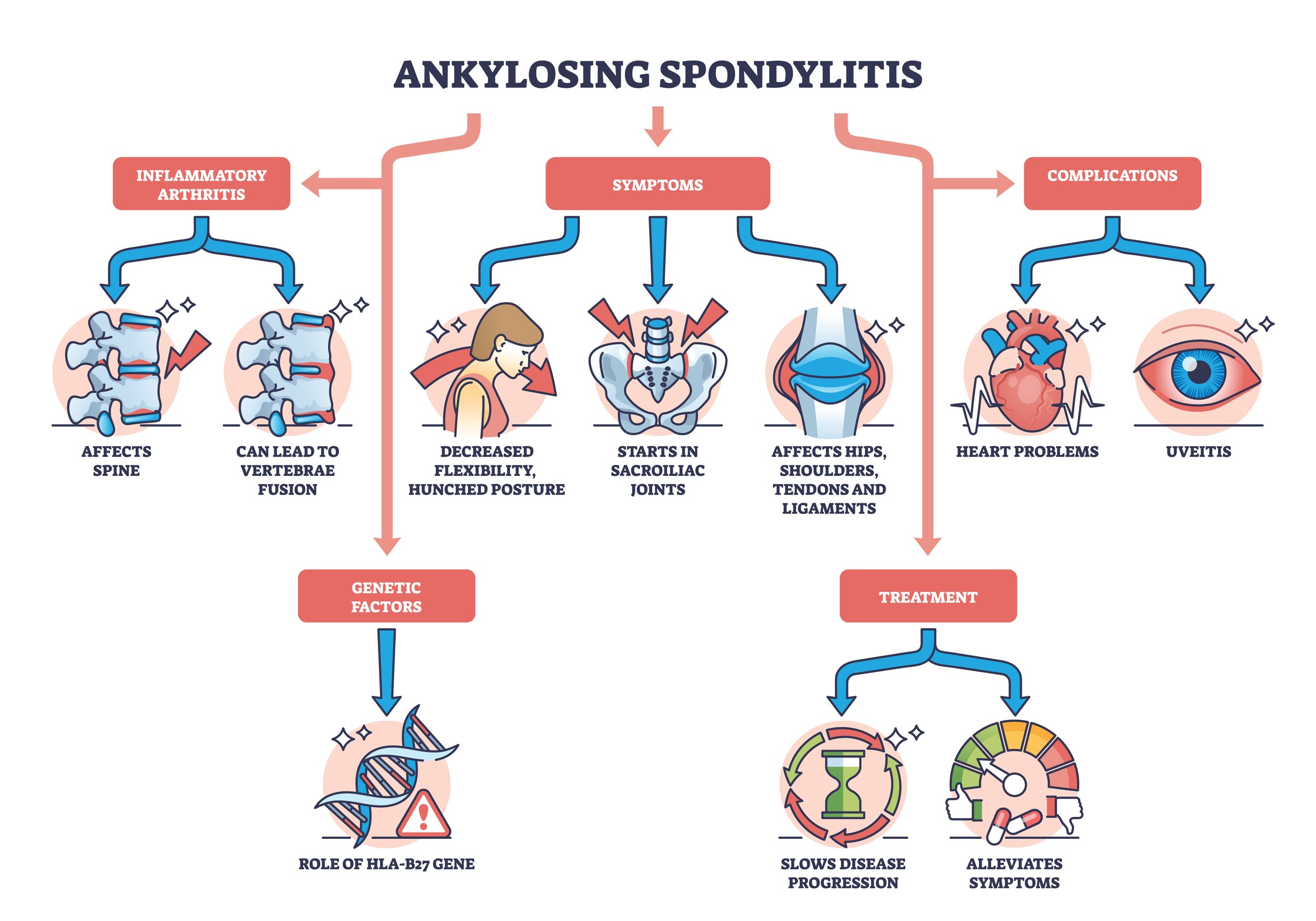
Ankylosing Spondylitis
Ankylosing spondylitis is an inflammatory condition that attacks the spine and sacroiliac joints, causing chronic back pain in young adults that worsens with rest and improves with movement. Because early disease doesn't show up on standard X-rays, recognizing this distinct pattern is critical to protecting spinal mobility.
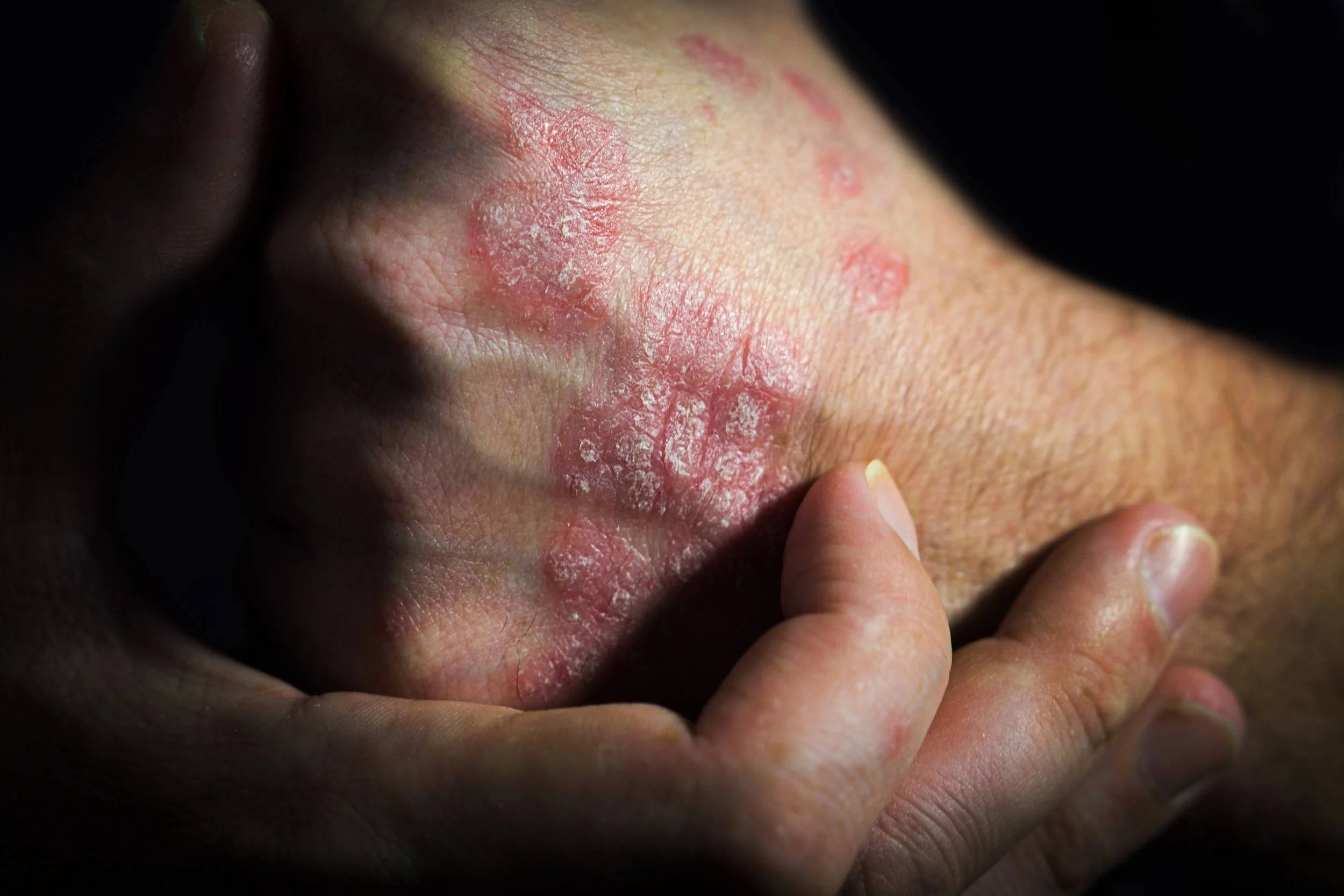
Psoriatic Arthritis
Psoriatic arthritis is a chronic inflammatory condition affecting about one in three people with psoriasis, occurring when the same overactive immune system attacks the joints and tendons. Because joint pain often surfaces years after the skin condition—and can mimic simple wear-and-tear or overuse injuries—connecting the dots early is essential to preventing irreversible joint damage.